
- This event has passed.
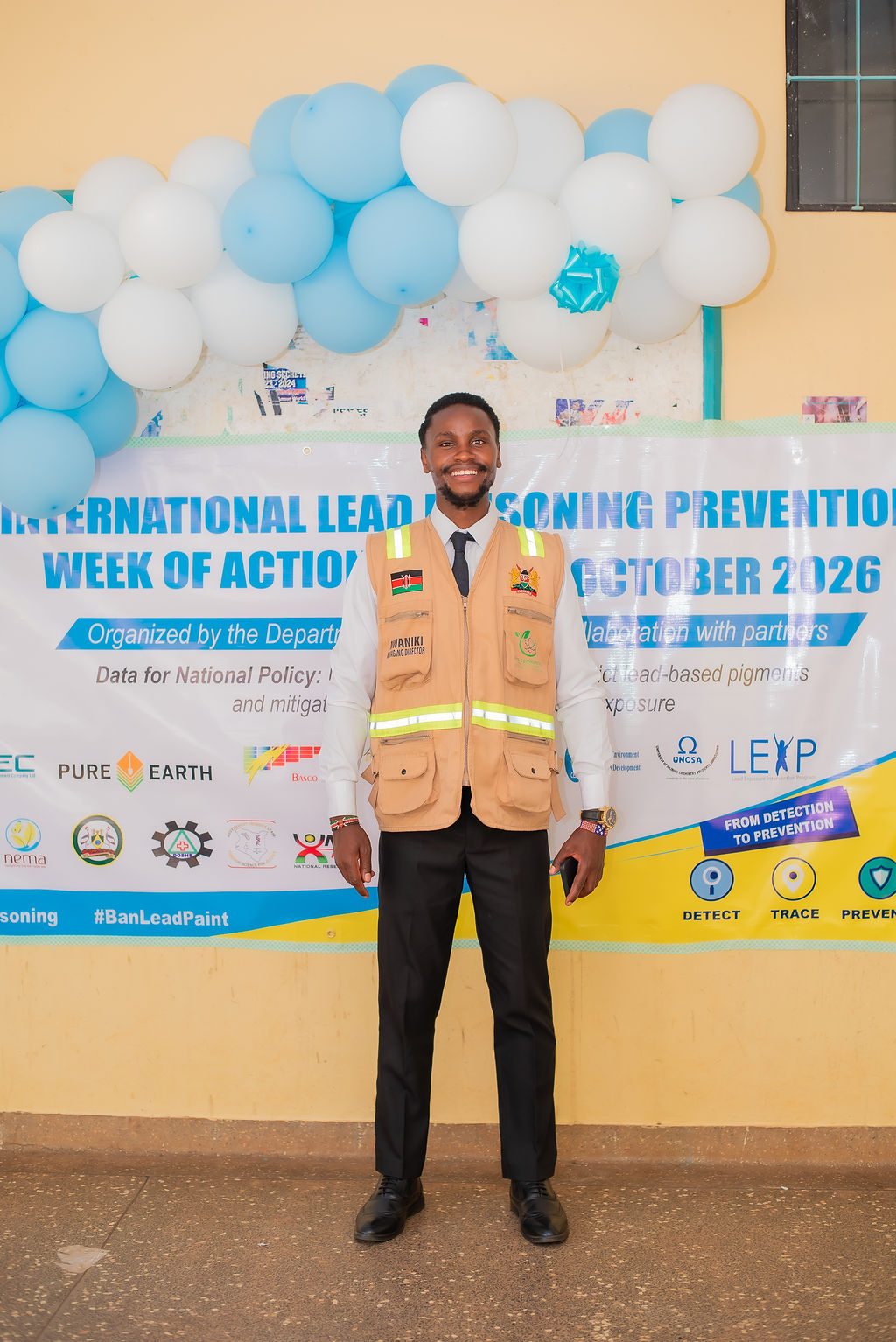
The 14th Annual International Lead Poisoning Prevention Week (ILPPW)
October 23
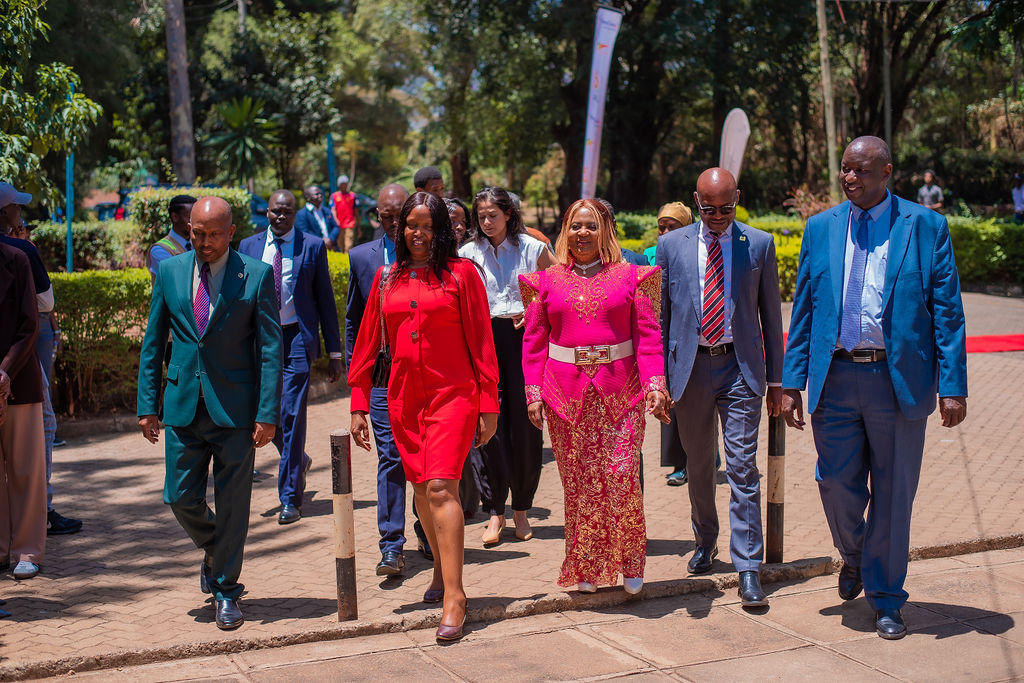
The 14th annual International Lead Poisoning Prevention Week (ILPPW) took place from October 18 to October 24, 2026. Organized globally by the World Health Organization (WHO) and the United Nations Environment Programme (UNEP), this year’s campaign was driven by the global theme, “From Detection to Prevention”. The primary goal of this international week of action was to shed light on the invisible, severe health impacts of cumulative lead exposure, to protect young children from neurological damage, and to accelerate institutional efforts toward entirely phasing out lead-based consumer products and paints.
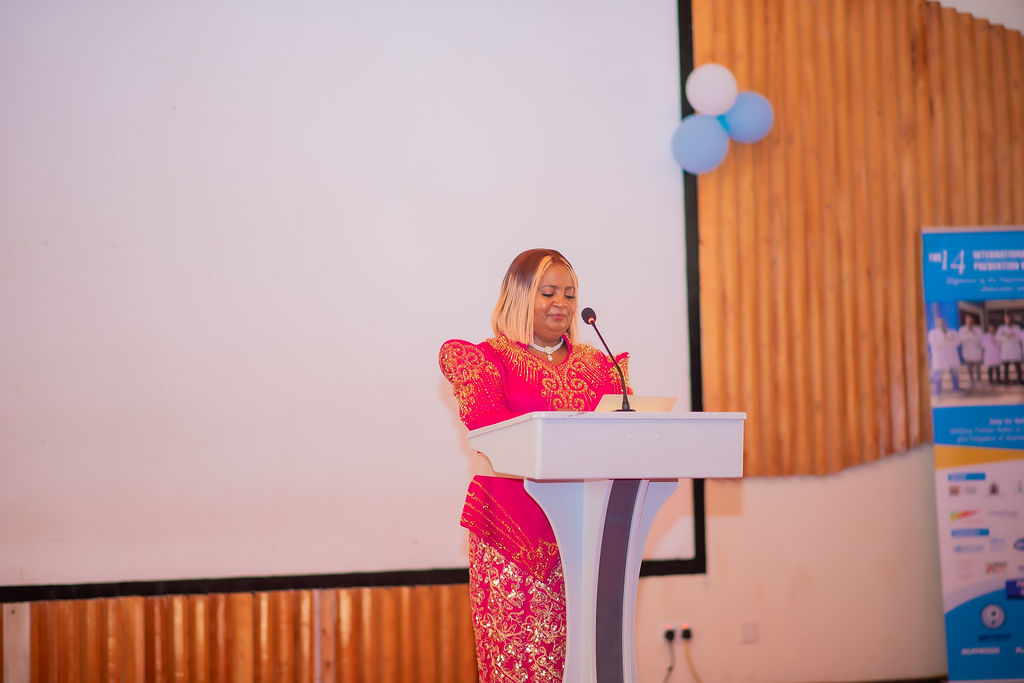
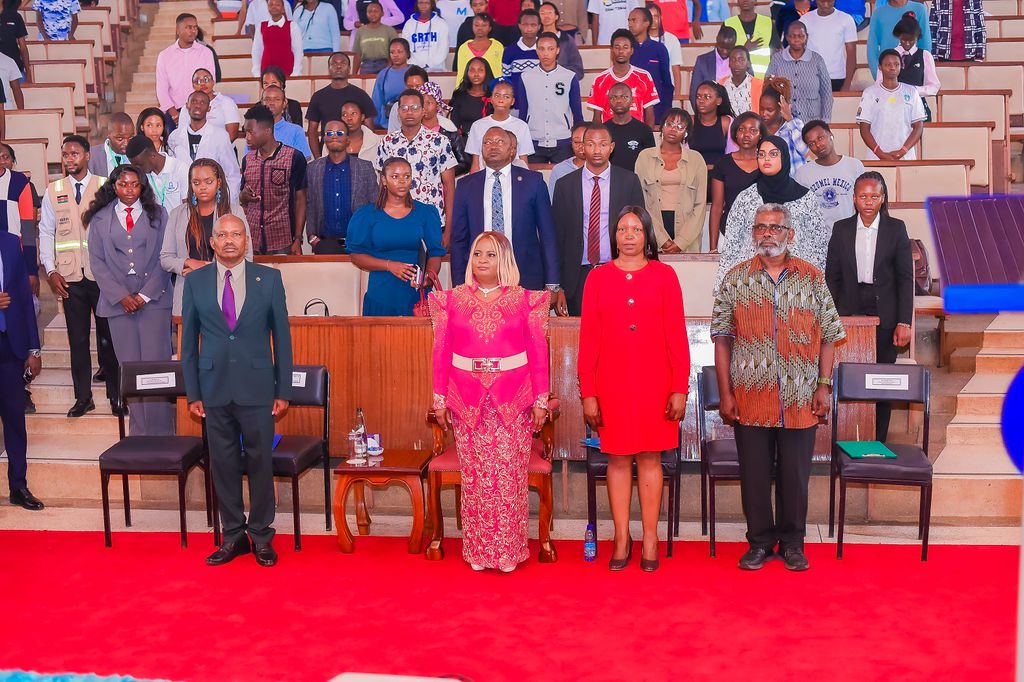
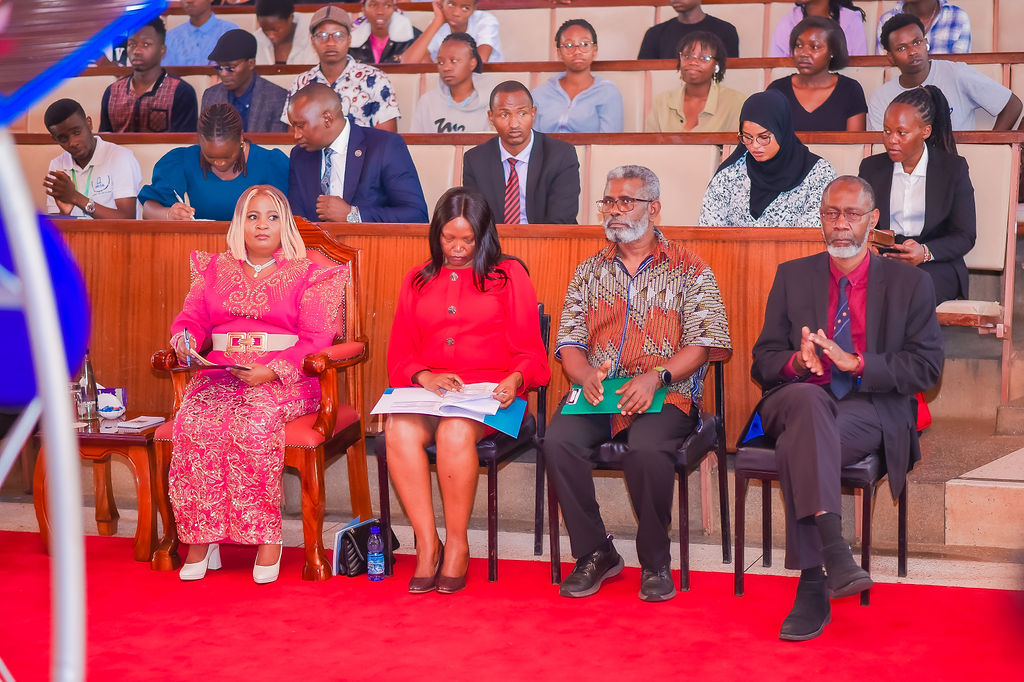
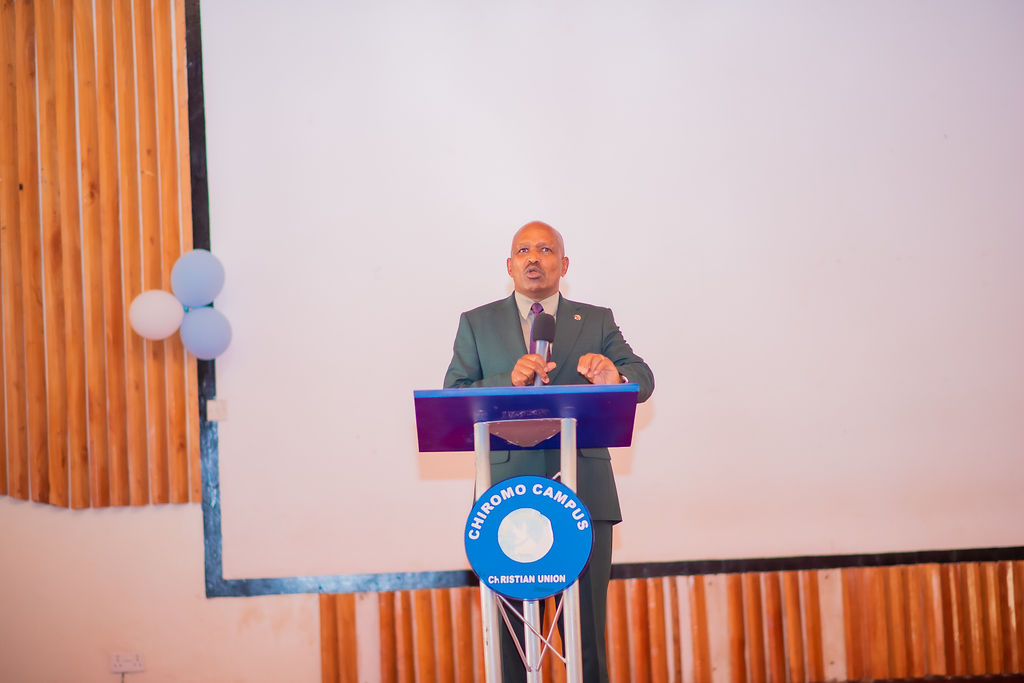
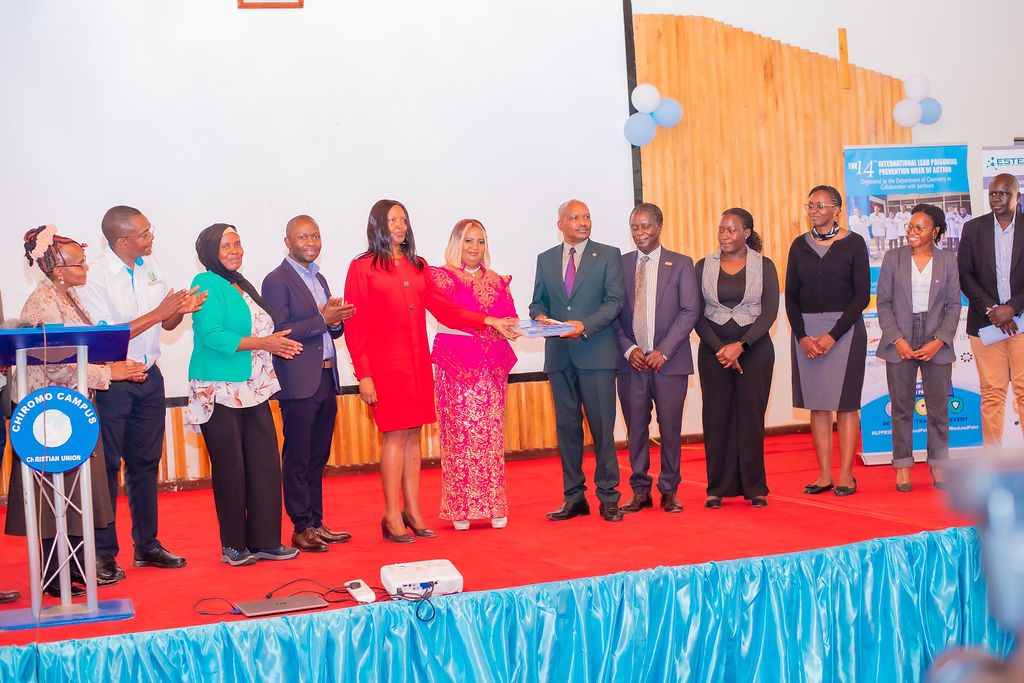
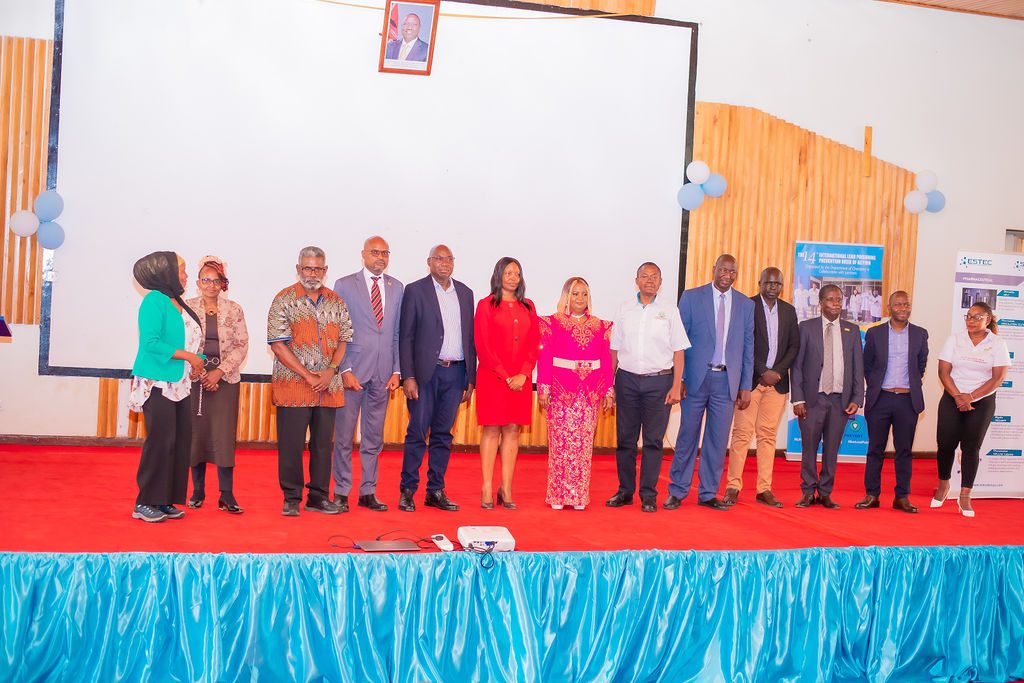
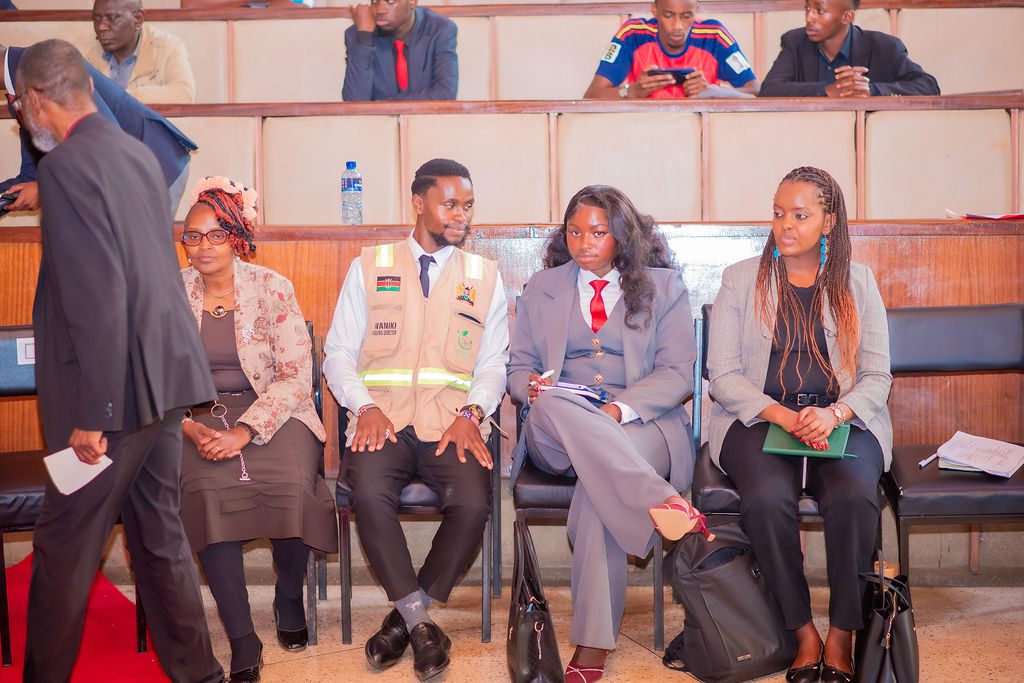
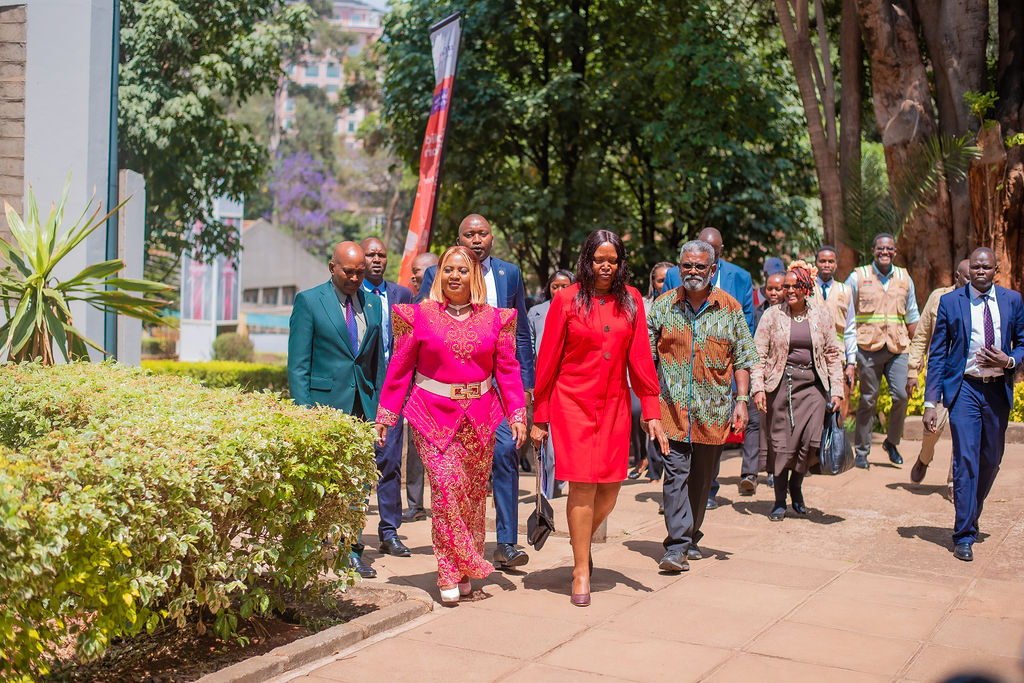
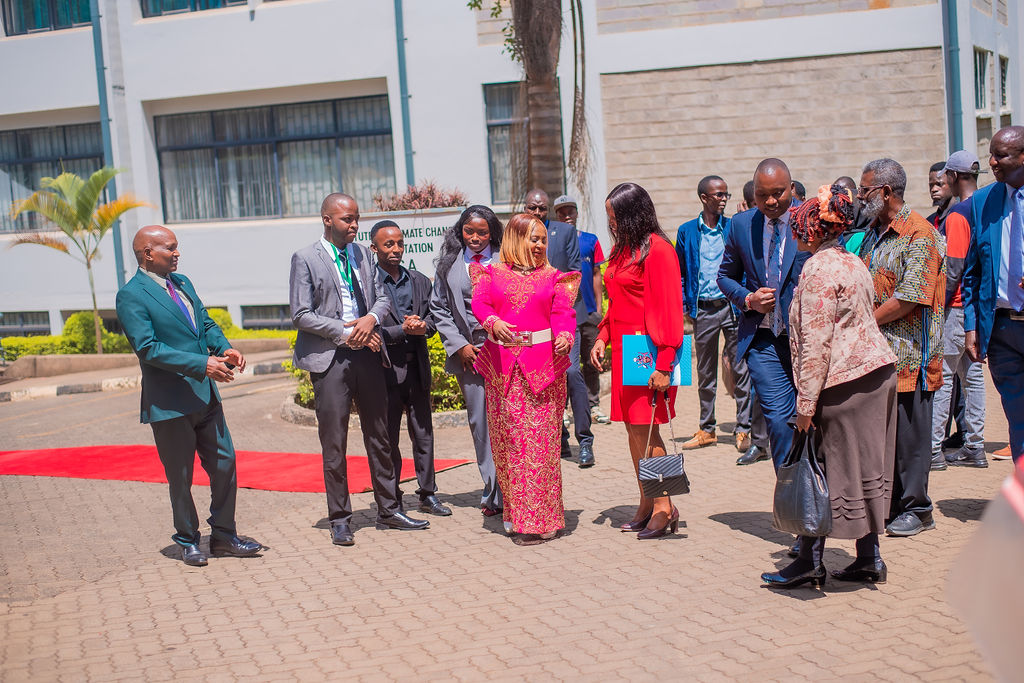
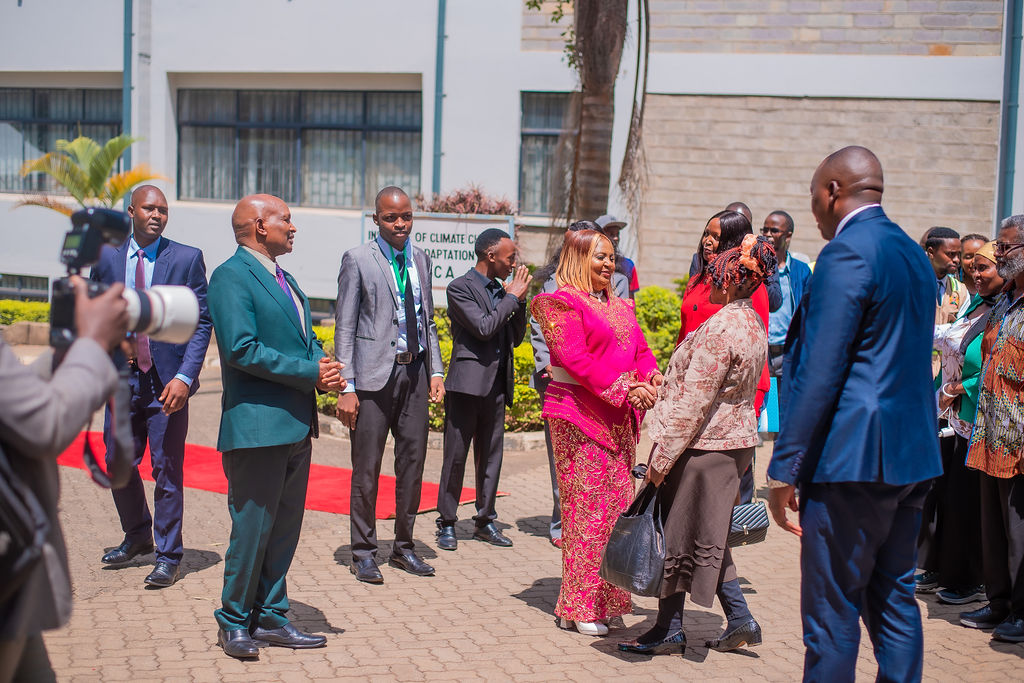
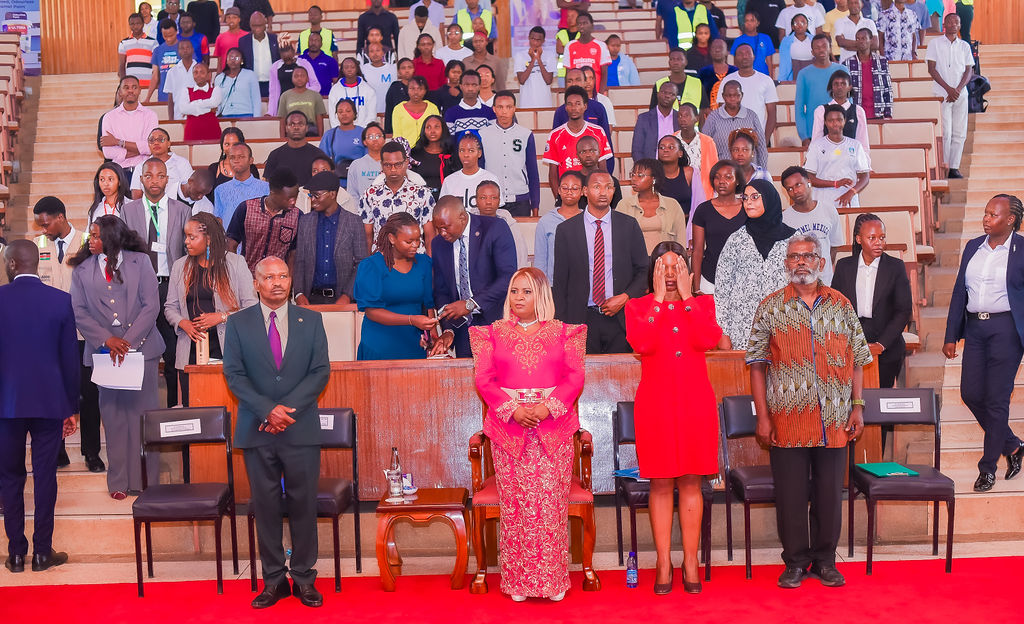
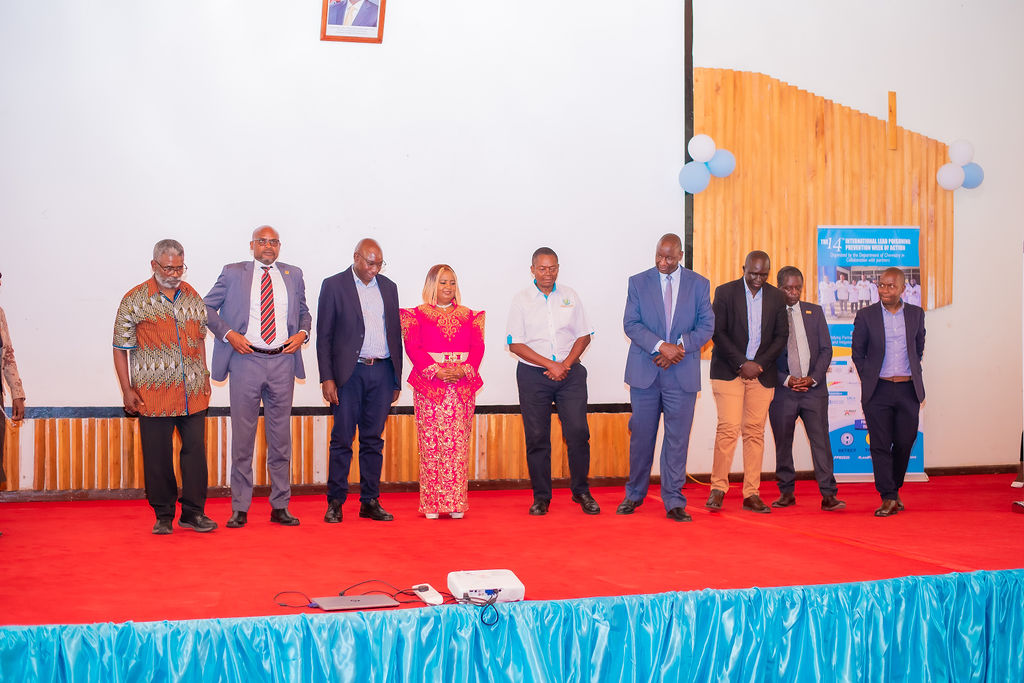
In Kenya, the national focal point of the celebrations took place on Friday, October 23, 2026, at the University of Nairobi’s Chiromo Campus. The event brought together essential voices across government sectors, environmental enforcement, civil society, and academia to deliberate on actionable prevention strategies. This domestic campaign marked a significant milestone with the official commissioning of the university’s state-of-the-art Exposure Science and Chemometrics Laboratory (ESCL) and the presentation of a highly detailed national policy brief to the Ministry of Environment, Climate Change and Forestry, aiming to restrict international chemical vectors like lead chromate pigments.
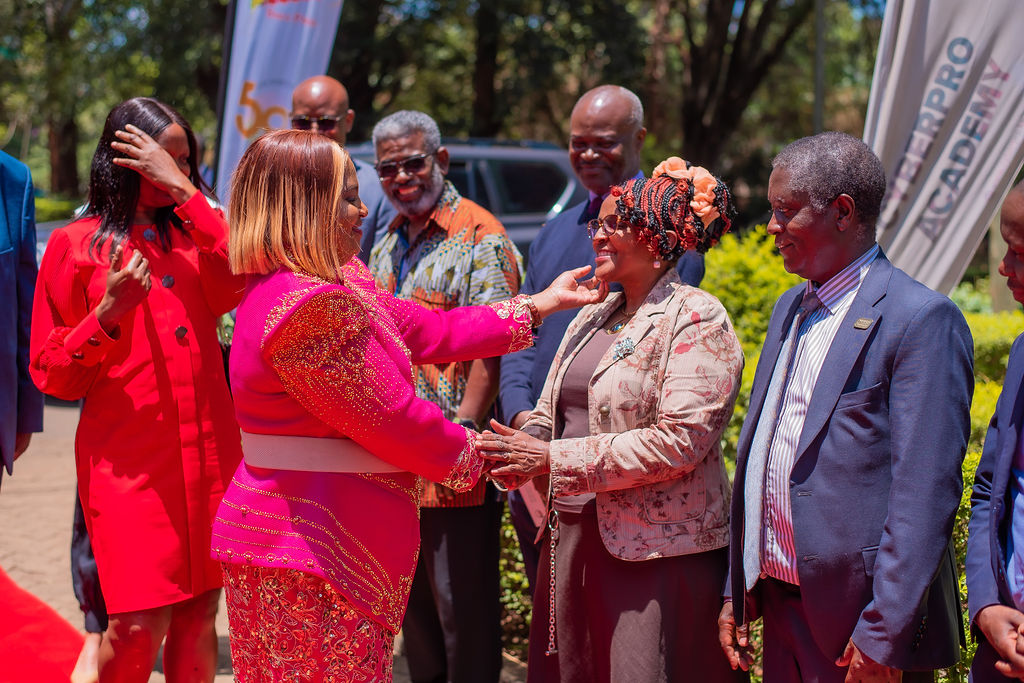
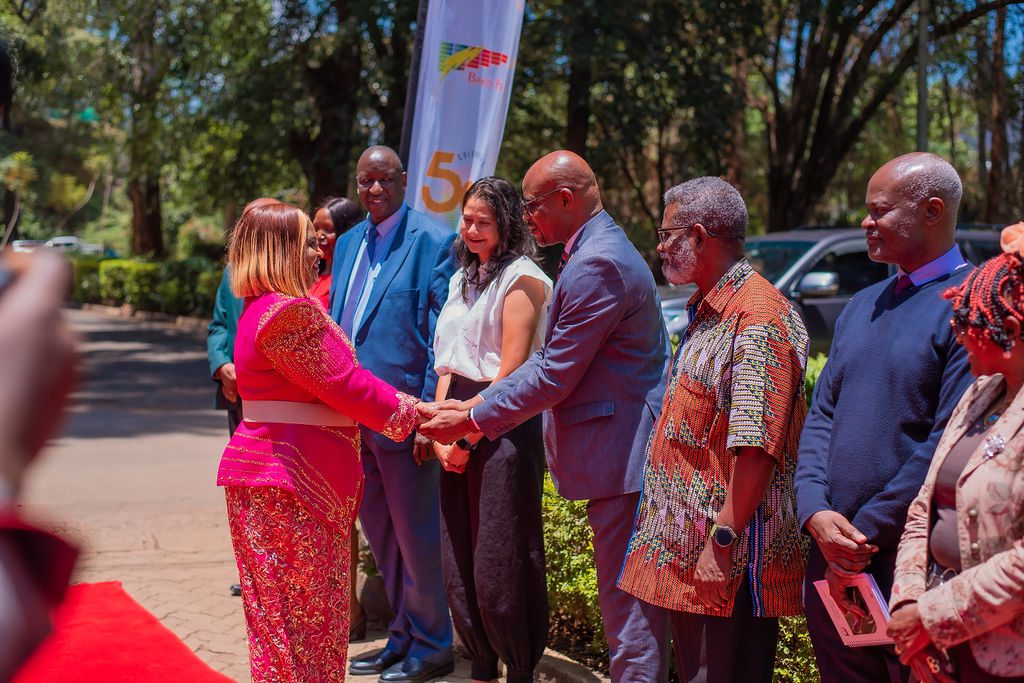
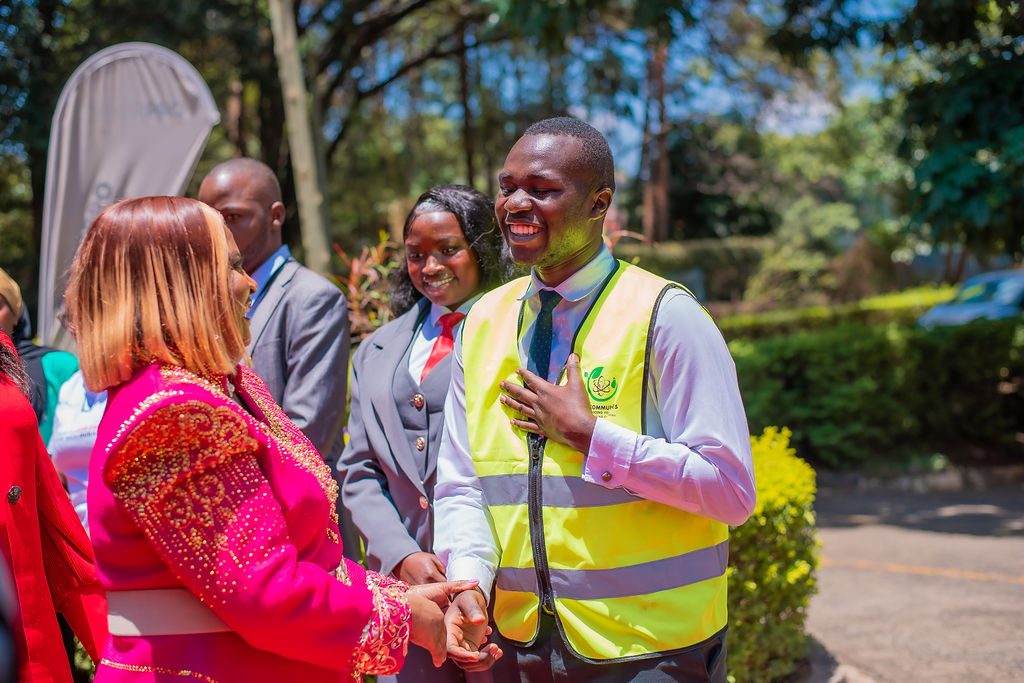
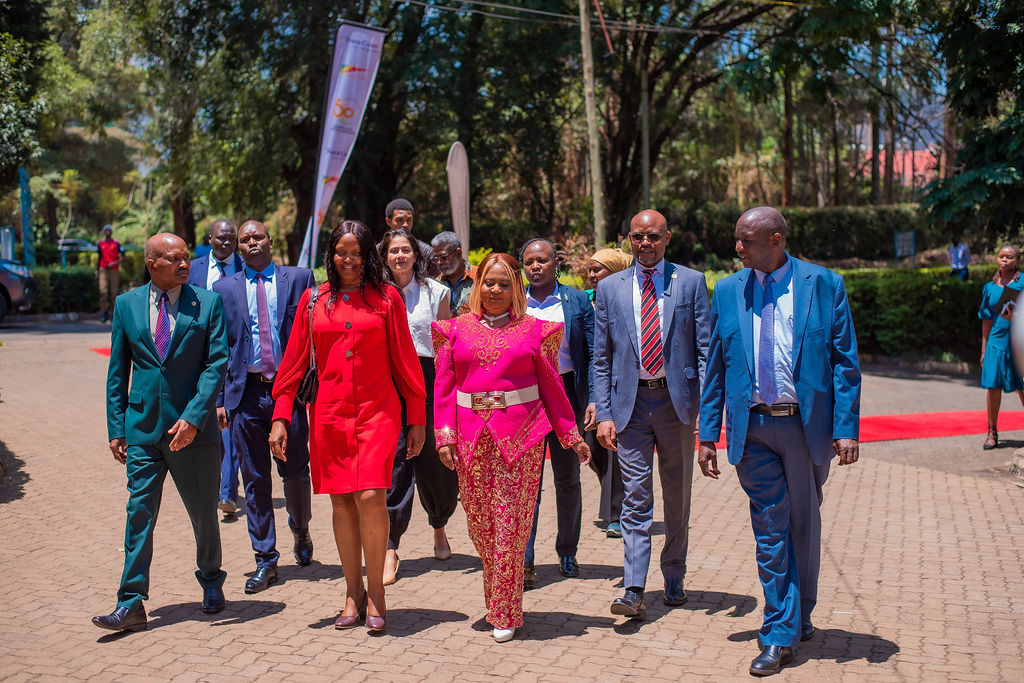
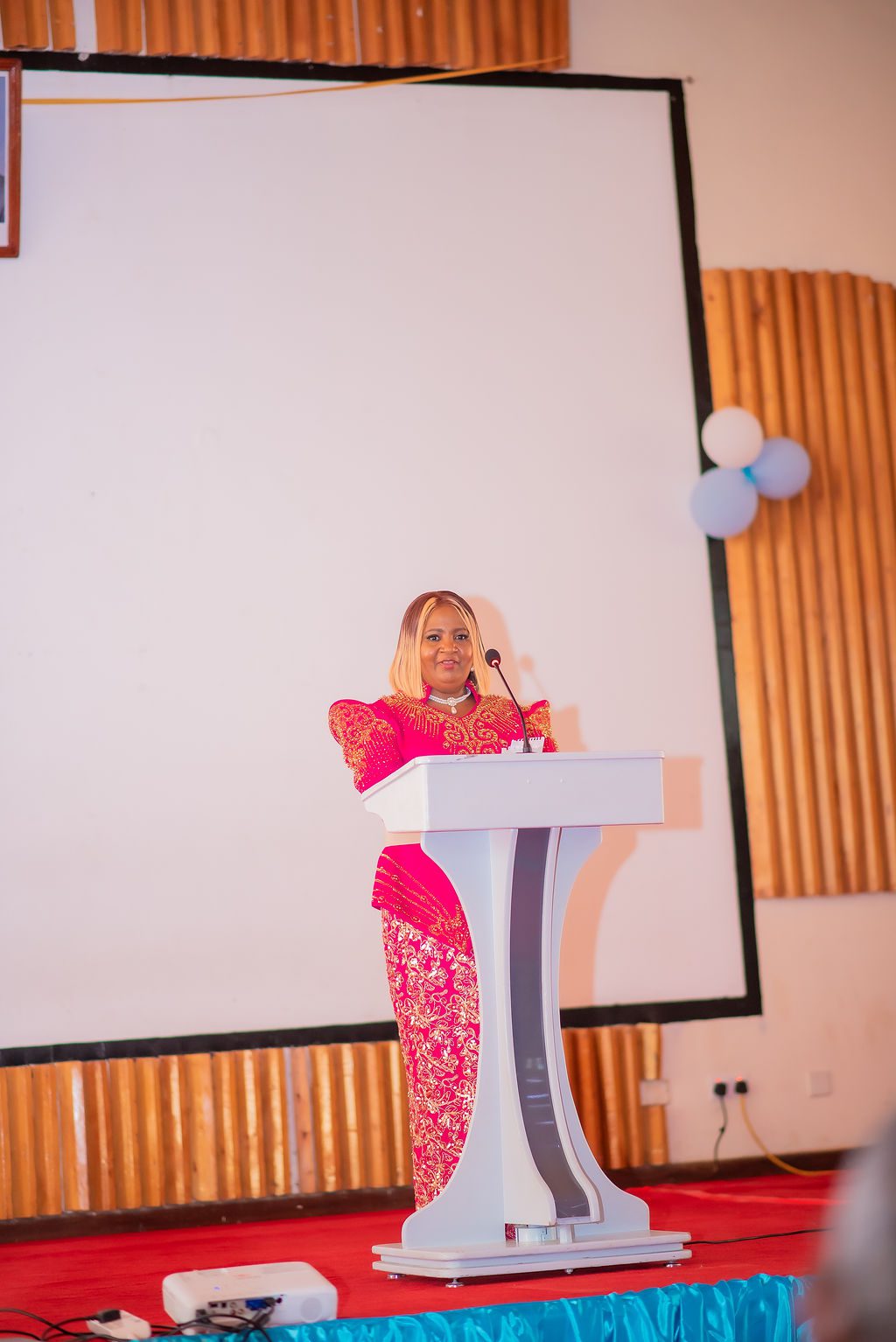
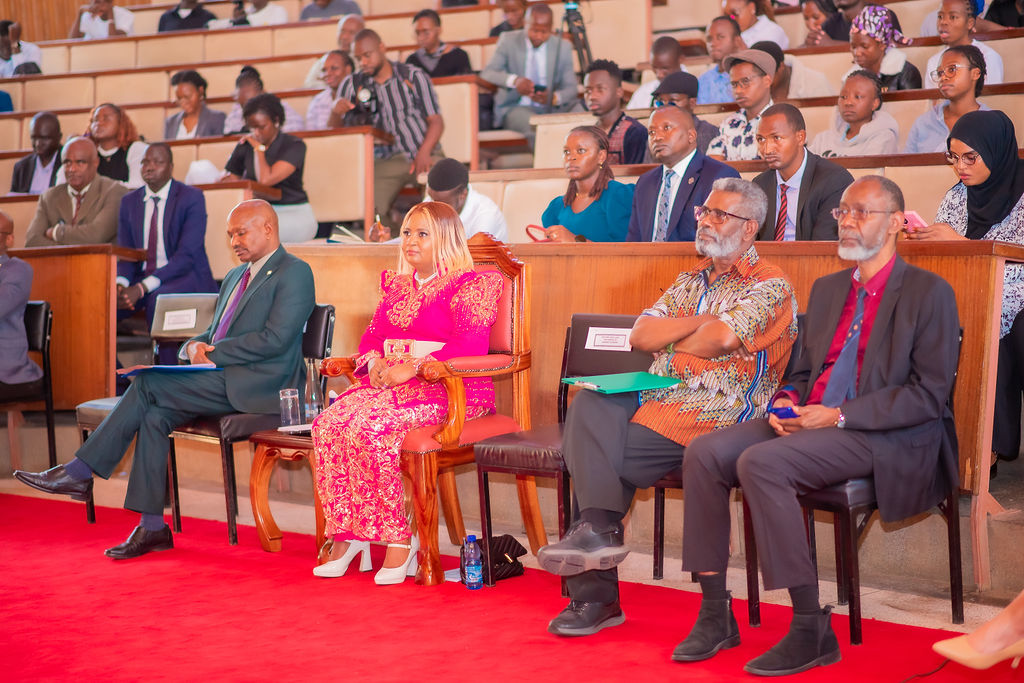
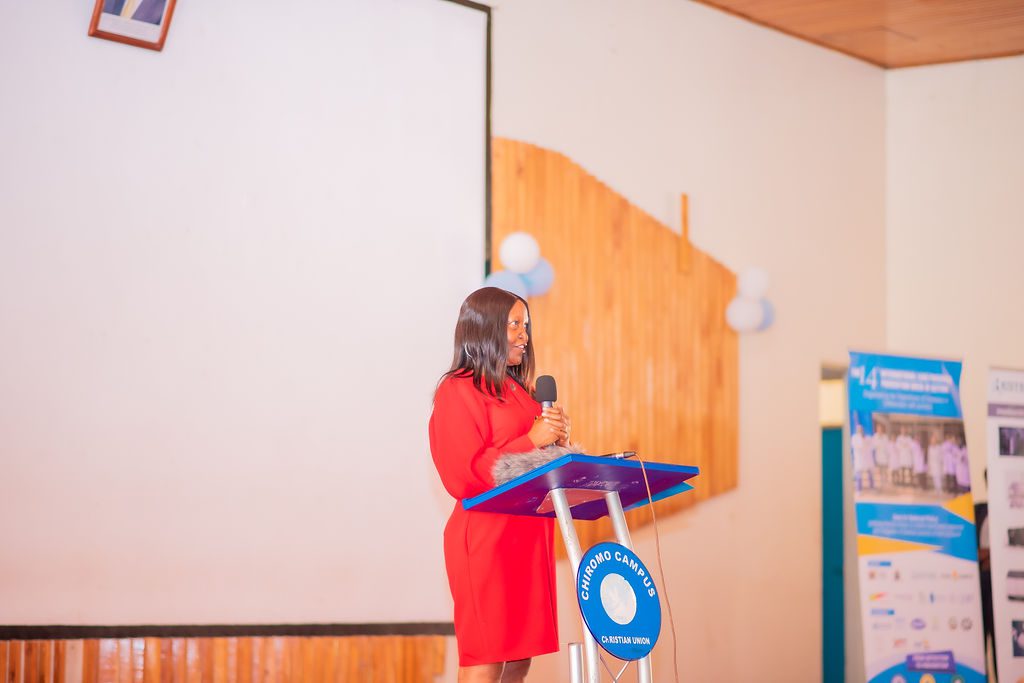
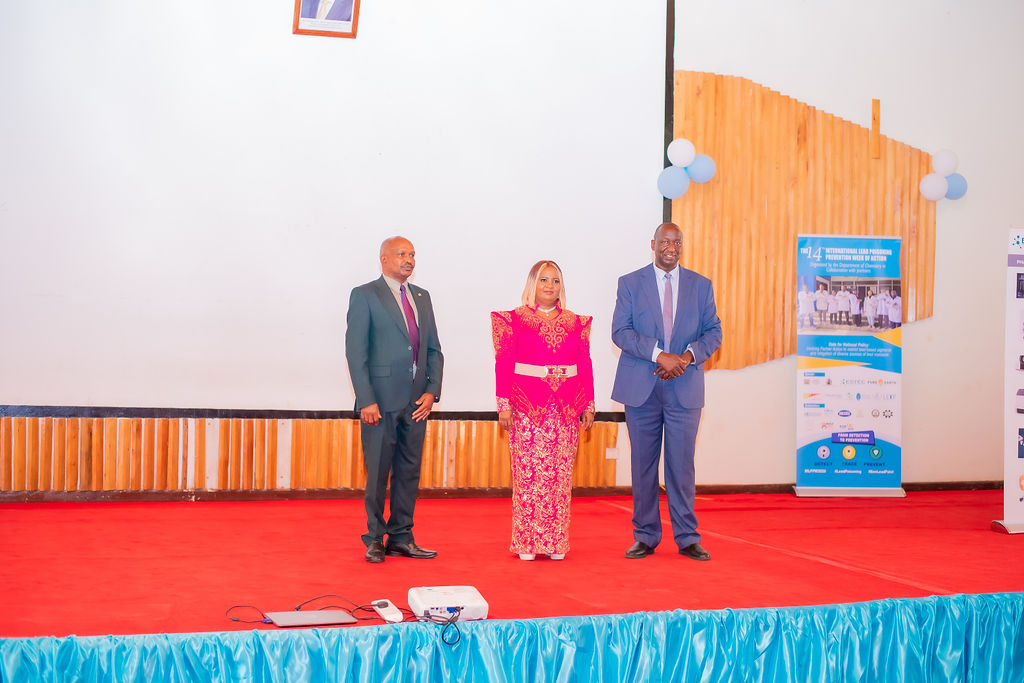
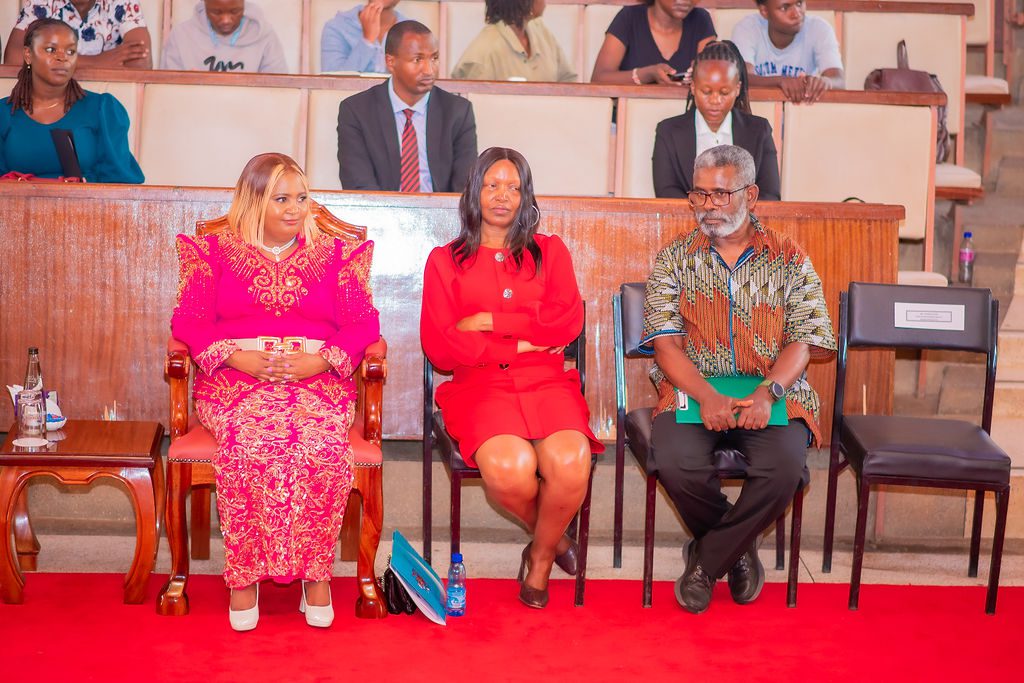
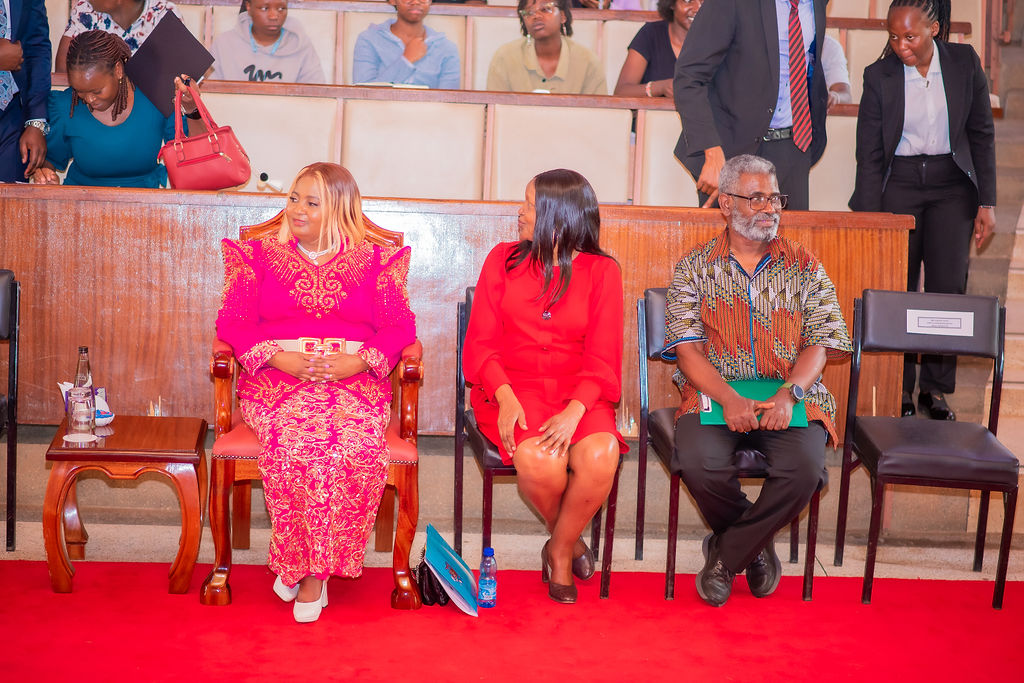
Serving as the chief guest for this historic gathering was H.E. Dr. Joyce G.N Kithure , the Second Lady of the Republic of Kenya. As an accomplished environmental scientist and senior lecturer in Analytical and Environmental Chemistry at the University of Nairobi, Dr. Kithure brought deep academic authority and professional rigor to the campaign. In her address, she sounded a heavy alarm over the rising figures of lead toxicity, calling it a silent public health crisis that compromises the cognitive potential of Kenya’s younger generations. She strongly advocated that the country must transition from simply identifying heavy metal contamination post-exposure to proactively preventing humans from interacting with toxic substances in their everyday lives.
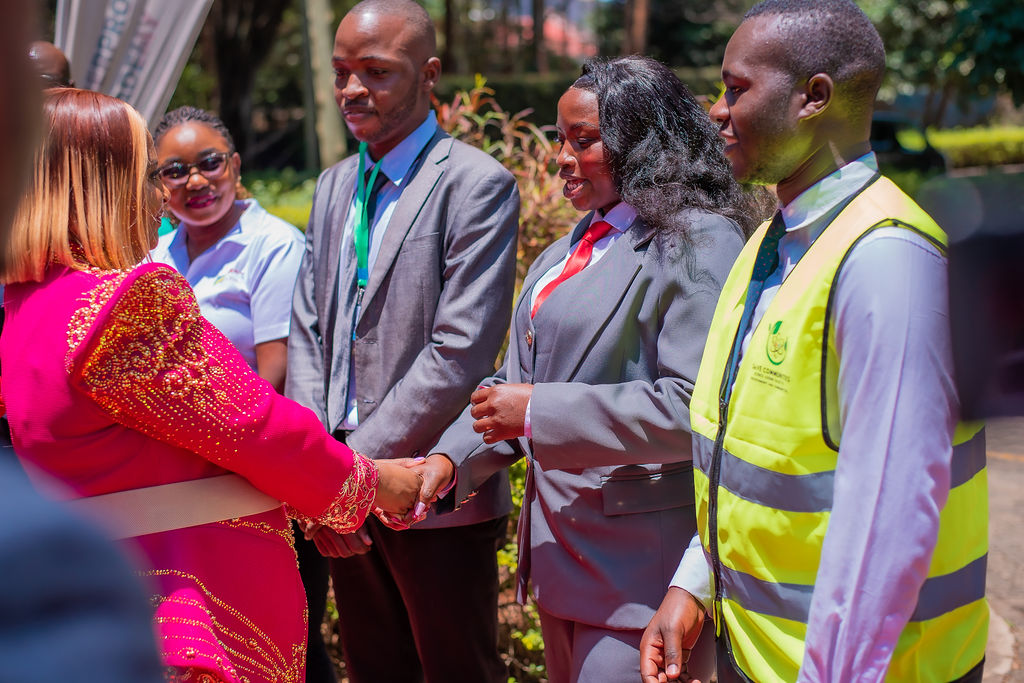
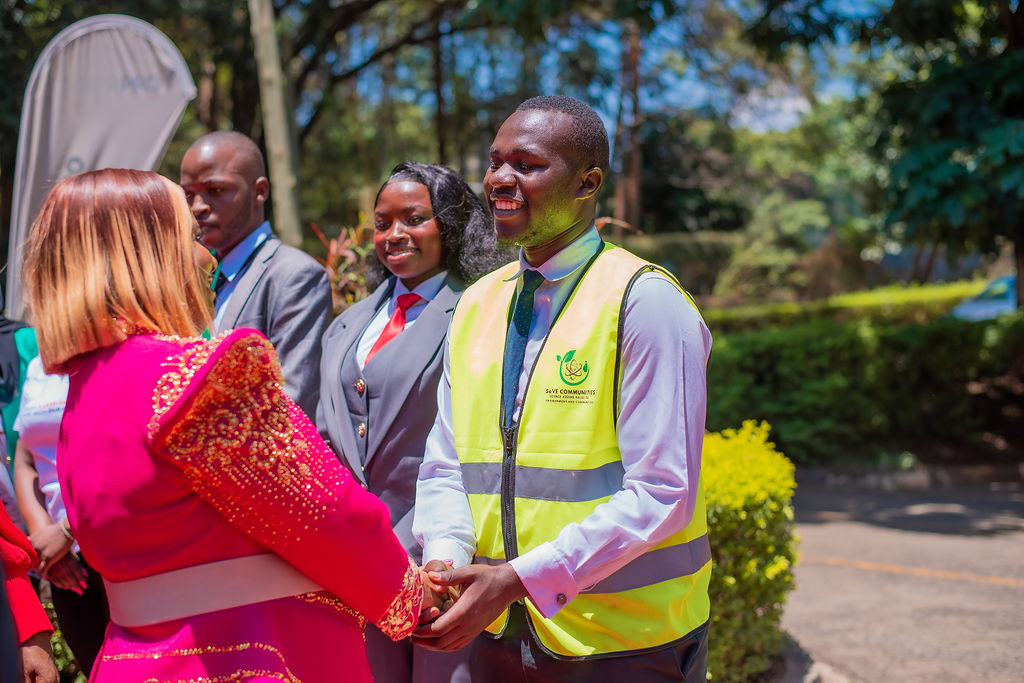
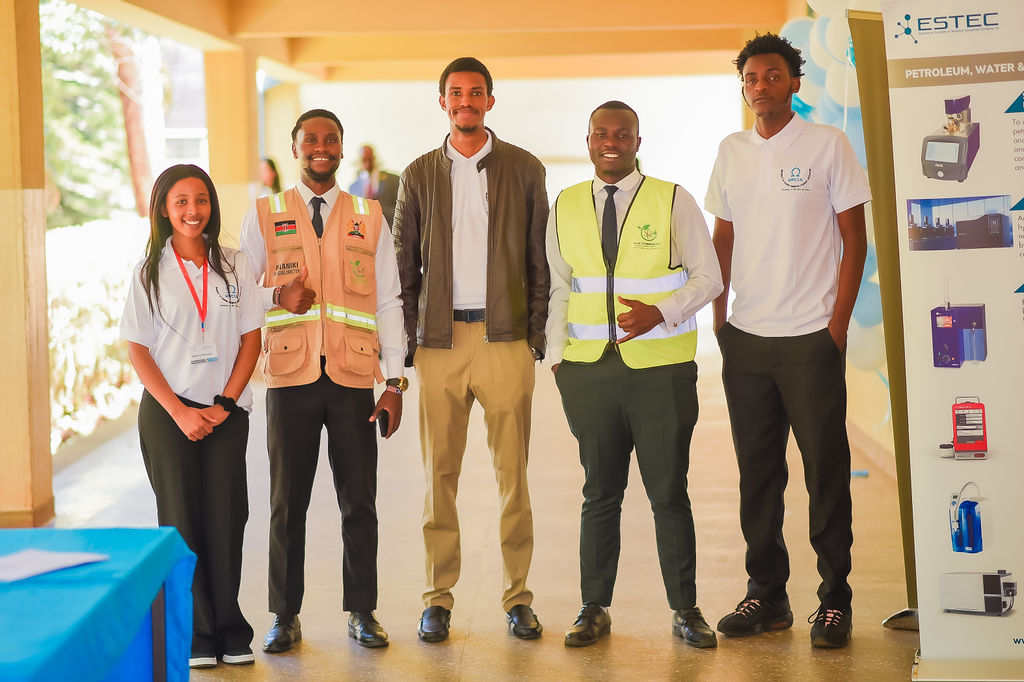
Central to the Second Lady’s advocacy model is her foundational project, the SaVE Communities Initiative (Science Adding Value to the Environment and the Community). As the Patron of this empowerment project, Dr. Kithure directly utilizes its framework to champion science-led solutions for environmental hazards and public health risks across local communities. The project heavily emphasizes community engagement, providing everyday citizens with practical, evidence-based mitigation strategies and data-driven awareness programs so that families can systematically clear out toxic exposures from their residential zones, schools, and playgrounds.
Furthermore, through the SaVE Communities pipeline, Dr. Kithure highlights that long-term environmental protection and health security depend on empowering youth and mothers to lead localized climate and wellness actions. By aligning the initiative’s resources with the academic output of institutions like the University of Nairobi, the project actively mentors young innovators to turn strict laboratory data into enforceable safety regulations and impactful public health policies. Ultimately, the collective efforts during ILPPW 2026 underlined a united message from both the Office of the Second Lady and grassroots frameworks: ending lead contamination is a shared responsibility that requires bridging institutional science with localized community willpower.
Event Highlights
Event Gallery